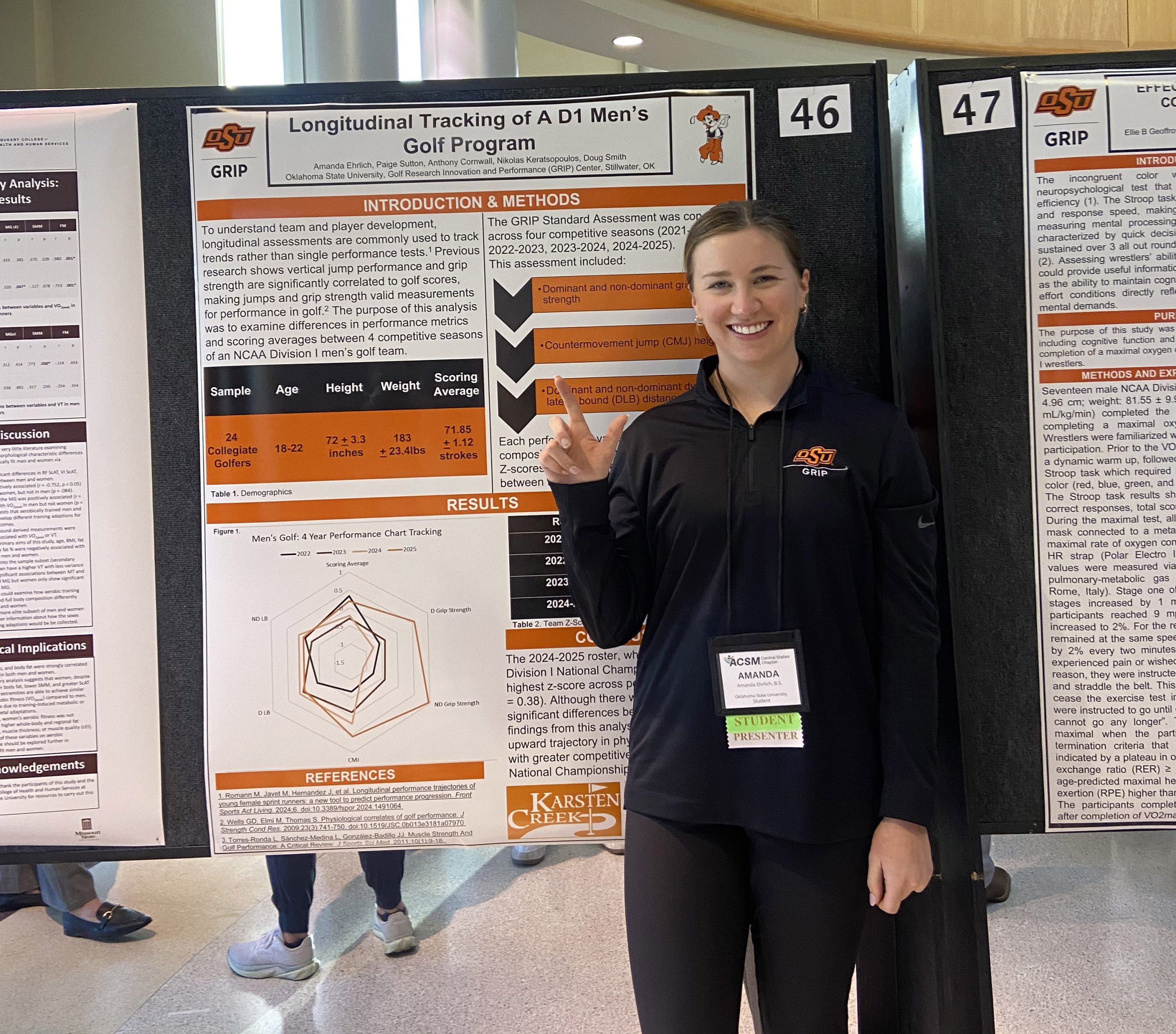
 Amanda Ehrlich is a former collegiate golfer who competed for four years at the NCAA level, where she developed a strong appreciation for the intersection of athletic performance and science. She earned her bachelor’s degree in Exercise Science with a minor in Athletic Coaching. She is Titleist Performance Institute (TPI) certified, and currently pursuing a Certified Strength and Conditioning Specialist (CSCS) certification. She will be graduating with her master’s degree in Health and Human Performance at Oklahoma State University in May 2026, where she has worked closely with the men’s and women’s golf teams, conducting performance research through the Golf Research, Innovation and Performance (GRIP) Center within the Kinesiology Department. You can reach Amanda via email at: amanda.ehrlich@okstate.edu and find her on instagram @amanda_ehrlich.Amanda Ehrlich is a former collegiate golfer who competed for four years at the NCAA level, where she developed a strong appreciation for the intersection of athletic performance and science. She earned her bachelor’s degree in Exercise Science with a minor in Athletic Coaching. She is Titleist Performance Institute (TPI) certified, and currently pursuing a Certified Strength and Conditioning Specialist (CSCS) certification. She will be graduating with her master’s degree in Health and Human Performance at Oklahoma State University in May 2026, where she has worked closely with the men’s and women’s golf teams, conducting performance research through the Golf Research, Innovation and Performance (GRIP) Center within the Kinesiology Department. You can reach Amanda via email at: amanda.ehrlich@okstate.edu and find her on instagram @amanda_ehrlich.
To better understand player performance both on and off the course, profiles can be created and used by fitness professionals and coaches to identify limitations, track trends over time and help evaluate the effectiveness of training programs. A well-developed profile allows coaches to guide the athlete toward peaking at key points in the season, while ensuring he or she is improving without overtraining.
There are many methods to create profiles and track athletic performance, but the methodology I use follows a simple, intentional step-by-step process.
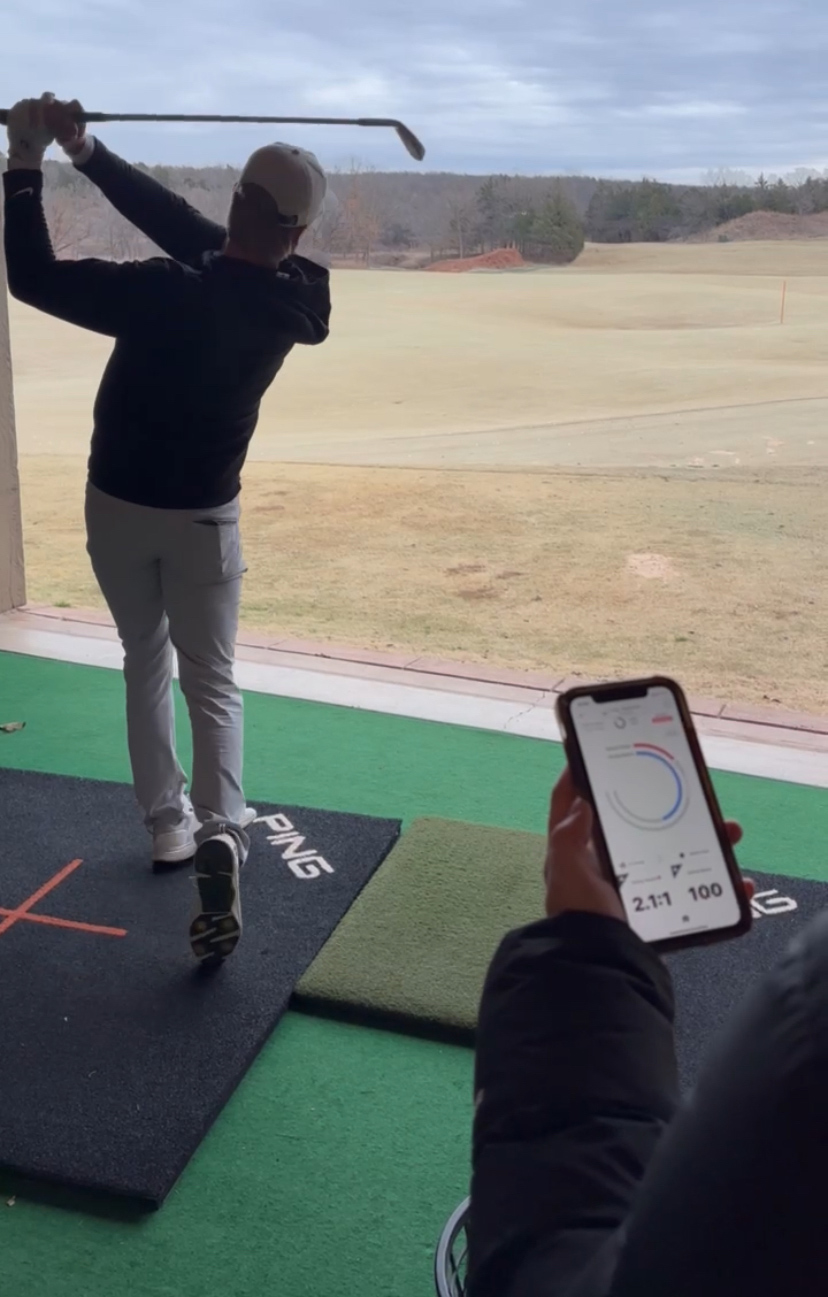
Step one: The Swing
This first step may be debated among fitness professionals in the golf space, but from a golf connection standpoint, it’s essential. Start by simply watching the player swing. Every golfer swings differently based on their physical abilities. Because of this, there is no “one swing fits all” model. Instead, the goal should be to identify that player’s natural tendencies and patterns. By observing the swing, you can start to:
- Recognize compensations
- Identify mobility, strength, power limitations
- Anticipate what may show up in the performance tests
This step bridges the gap between the gym and the swing. While you don’t have to be a golfer to train golfers, understanding what contributes to an efficient swing allows you to better communicate with the athletes and help them understand how their body influences their performance.
Step Two: Assess What Matters
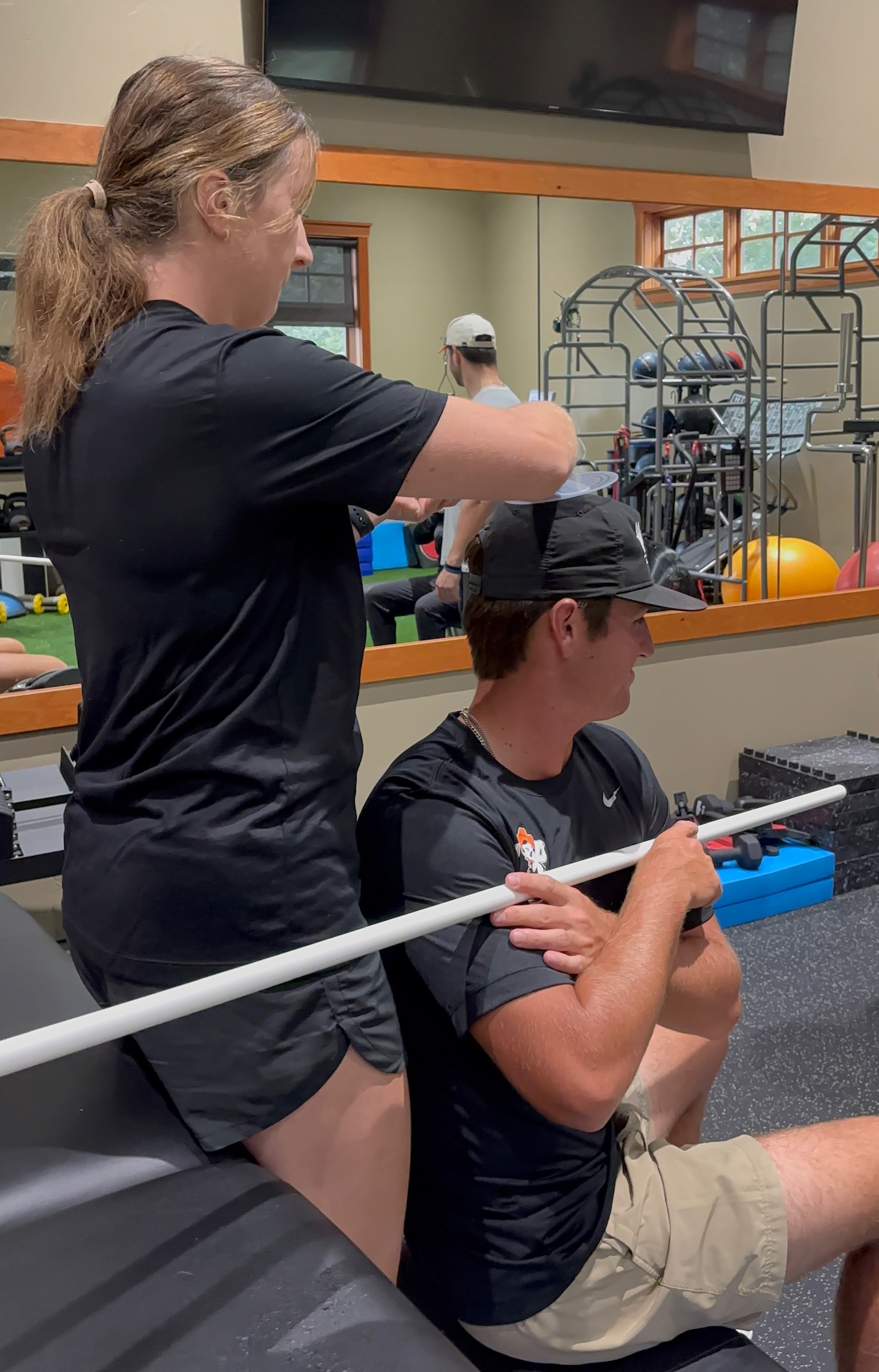
The second step is determining which assessments you will use to evaluate the golfer. There are many options, but the categories that should be set in stone are:
- Mobility
- Strength
- Power
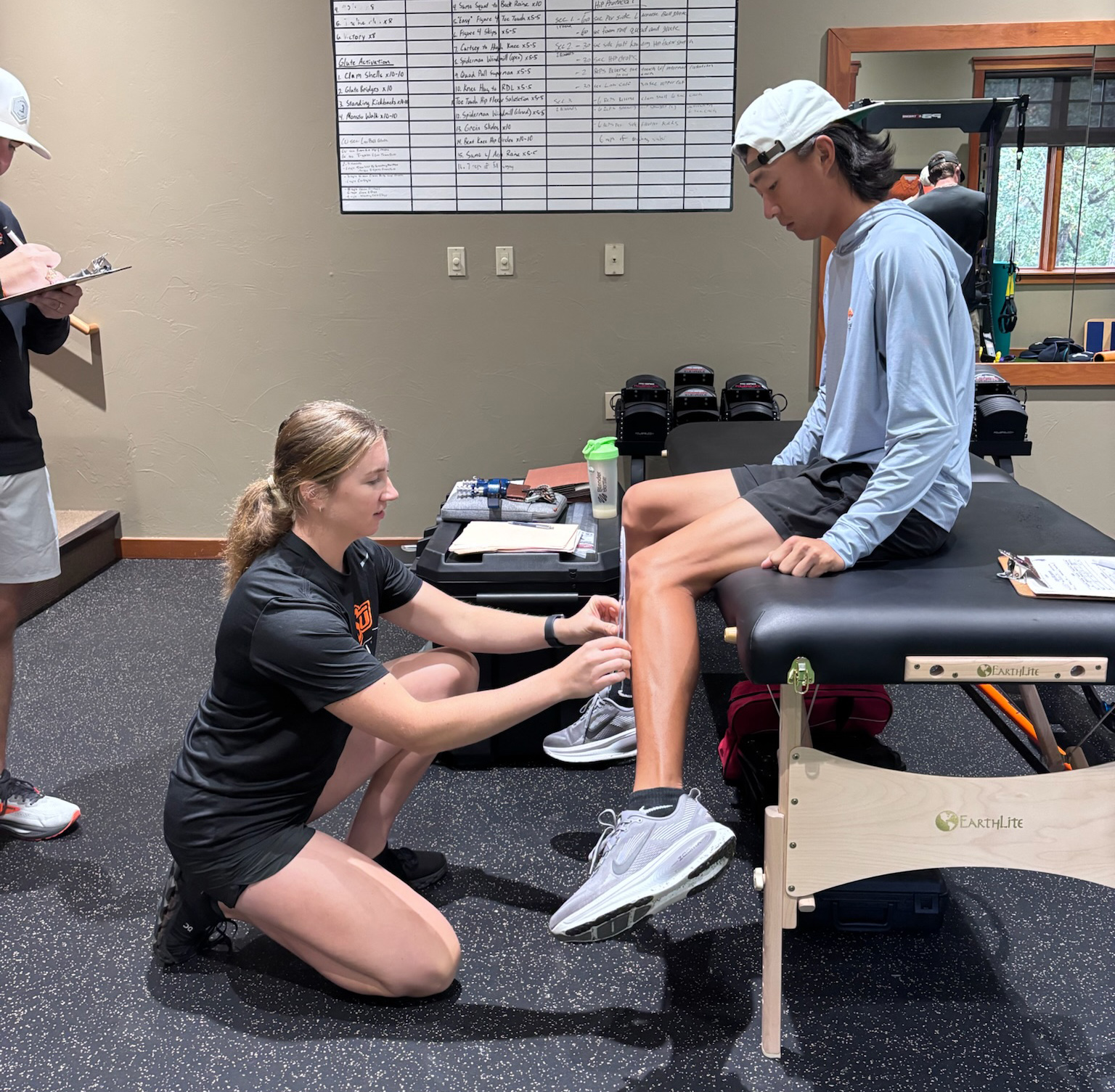
When possible, especially when working with elite juniors, collegiate and professional players, aerobic endurance should also be assessed. The assessments should be reliable and valid and ensure that the athlete is comfortable and confident performing them. It’s not what you measure, but also how you measure it that is important.
Step Three: Test and Collect Data
Once the assessments are selected, it’s time to run the tests and collect data in a structured way.
Using Google Sheets or Excel is effective for organizing and visualizing results. One of the most useful methods is a radar chart.
A radar chart allows you to:
- Display multiple performance qualities all at once
- Highlight strengths and weaknesses
- Give the athlete an immediate visual understanding
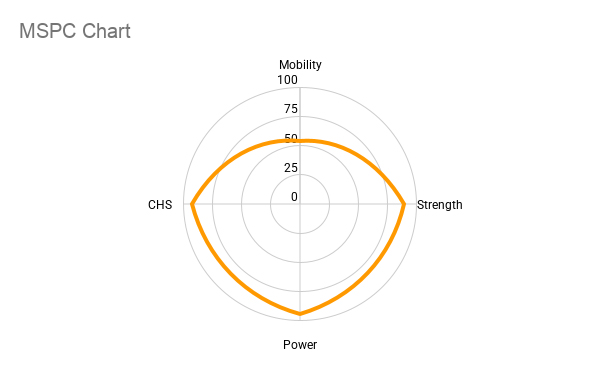
Figure 1: Example Radar Chart- Individual Athlete Mobility, Strength, Power, Club Head Speed
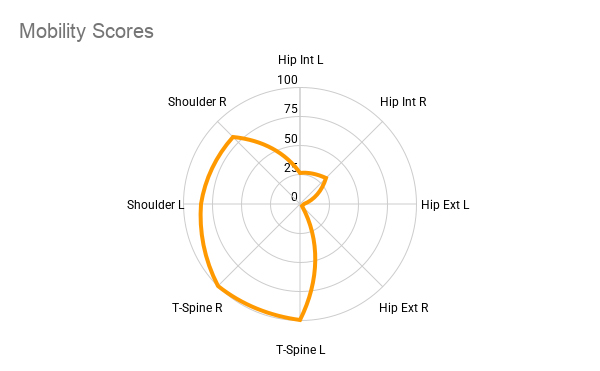
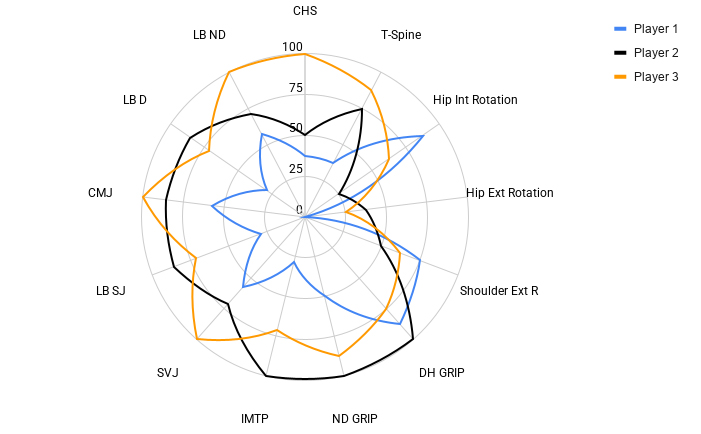
Figure 2: Example Radar Chart Comparing Three Players Performance Data
Radar charts are most effective when the data is standardized using Z scores or percentile ranks. Standardized scores allow you to compare athlete performance relative to a meaningful reference group rather than just visualizing raw data.
- Normative data from previous research
- Team-based data within the program
- Longitudinal data comparing the athlete to their own scores
In our work at Oklahoma State, we compare the athlete against our internal database of performance assessments. This allows us to evaluate how players stack up against larger samples of similar athletes and identify trends across the team over time. We can also monitor whether players are increasing or decreasing in certain areas, and track individual trends for players who have been in the program for over one year.
Step Four: Translate Findings to Action
How a coach uses the results from an assessment is ultimately what sets them apart. Collecting and measuring data is only valuable to golf coaches and players if it leads to action. The main goal is to take information and translate it into a focused, individualized training plan that impacts performance directly.
One of the most common pitfalls is looking at too much too soon. Prioritizing limitations is critical. As a coach you must identify the primary restriction and address that first.
Effective programming should target the root cause, not throw a bunch of exercises together based on all the limitations. It should follow a logistical progression (Mobility —> Stability —> Strength —> Power) and align with the player’s swing and performance goals. Great coaches don’t just prescribe exercises, they connect findings to performance.
Here’s an example:
A radar chart shows an athlete is limited in:
- Rotational med ball throw (RMBT)
- Left hand grip strength
- Left shoulder external rotation
- Limited thoracic rotation
The player has been experiencing wrist pain while playing. As a performance coach, you may want to jump right into power and strength, however this athlete is showing a limitation in mobility and stability leading to a leak in their swing (wrist issues). This should be the main priority for the coach before progressing to strength and power.
In conclusion, creating profiles is essential for coaches who want to train with a purpose. By identifying the strengths and weaknesses of a player, coaches can design practice plans and training programs that are targeted and efficient. Rather than guessing, decisions are guided by data and observation. A well-built athlete profile highlights more than strengths and limitations, but provides a roadmap for development by showing a player their potential. When profiling is done correctly, training becomes intentional, leading to long-term player success.