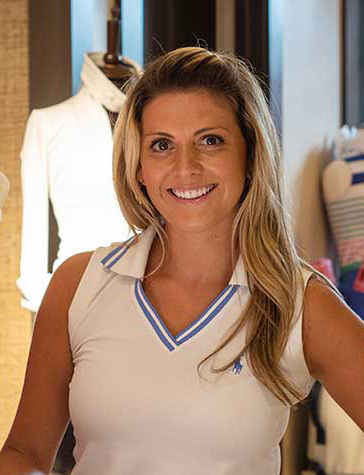

 Cheryl Anderson, a four-time North Florida PGA Section Teacher of the Year, the 2017 Section East Central Chapter Player Development Award winner, the 2007 Metropolitan PGA Section Teacher of the Year and two-time LPGA National Teacher of the Year, is the PGA of America Director of Instruction at The Legacy Club at Alaqua Lakes in Longwood, Florida.
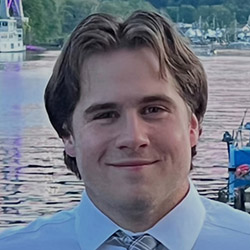
Scott Shepard, a 2024 Golf Fitness Association of America (GFAA) Industry Leaders Award winner and four-time Golf Digest Top 50 Fitness Trainer in the U.S., is the founder of Driven Golf Fitness and Sports Performance and the Clinical Program Manager at AdventHealth in Lake Mary, Florida.
Cheryl Anderson and Scott Shepard on the importance of collaboration between golf and fitness professionals:
Collaboration between golf and fitness professionals has proven to be an effective and successful means of promoting health and wellness in golf, bringing attention to the game as a sport among athletes, rather than the antiquated stereotypes of the past. It is beneficial to the client, as well. We have been collaborating for several years to help golfers work on the physical aspects of the swing that they’re unable to attain. On the fitness side, golfers gain mobility, flexibility, strength and stamina so they can attain better golf swings, lower scores and increased enjoyment from the game. The fitness side addresses speed training and has been implemented into our six-week Junior Champions Program, teaching proper warm-up, activation, stretching, balance and mobility exercises and fitness drills on the range. We recently presented to an audience of 50 LPGA Professionals and women in the industry at the inaugural LPGA We Are the Women in Golf Summit. Our audience was predominantly LPGA Golf Professionals because our presentation was focused on how to work with the amateur golfer. The presentation, entitled The Characteristics of the Ideal Swing, broke down the golf swing into four facets and highlighted the technique within each characteristic from the golf coach’s point of view. We then discussed how to train most effectively for these positions and what actions to take in the gym.
Cheryl Anderson and Scott Shepard on the business impact of collaboration between golf and fitness professionals:
As coaches, it is vital to share the how and why of what makes you a better golfer, helping golfers understand the big picture rather than just offering little snippets that don’t fully explain the purpose of an action or task. We showed them a lot of different tools and equipment that we use to get the desired results. There were exercise bands, medicine balls and water bags, which we called our charcuterie board of training. We even demonstrated (Cheryl’s) rice bucket exercises that help strengthen grip, forearms and wrist muscles. Sharing new ways to teach people how to move is vital in our industry and an important aspect of our collaboration. We’re not just helping golfers, athletes and everyday individuals pursue healthier lives, but coaching other coaches to do the same. We answered many great questions at the conclusion of the presentation, which helped the professionals understand their role in the player development process. We fielded several questions about tendonitis and, more generally, about getting stronger within several parts of the body that support the technical parts of the swing, and emphasized to the group that this is not easy and shouldn’t be taken for granted.
If you would like to email the authors of this Best Practice directly, please email cherylgolf@mac.com or planeperformance@gmail.com.