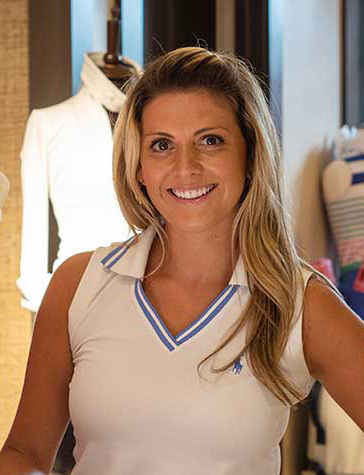
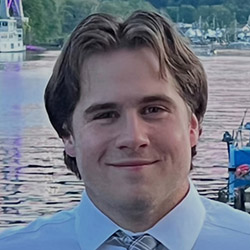
 Jason Baile, the 2025 PGA of America Teacher and Coach of the Year, the 2022 South Florida PGA Section Teacher of the Year, the 2018 Carolinas PGA Section Teacher of the Year, a two-time Carolinas PGA Section Hilton Head Island Chapter Teacher of the Year and a GRAA Top 100 Growth of the Game Teaching Professional, is the PGA of America Director of Instruction at Jupiter Hills Club in Tequesta, Florida.
Jason Baile on the importance of using the right terminology when focusing on performance:
When you say “fitness,” some members think, “Oh, they’re going to ask me to lift something heavy up over my head, or spend a lot of time running on the treadmill.” We wanted to take that idea out of the equation. So, we changed to using the word “performance” because it still has a fitness element, but it’s really more about better stability, mobility and stamina for golf and for life. Lance Gill, a TPI-certified trainer, is a crucial piece of our puzzle. Lance works in our Golf Performance Center with the rest of our coaches, and at least 50 percent of the time, he’s with me as I’m giving lessons. He’s definitely there for the initial evaluation with new members, and that makes performance part of the equation from the start. If that member wants to get 10–15 more yards off the tee, we do a 3D analysis together, using TPI language, so we can see what’s keeping them from getting those 10–15 yards. If we just jumped into trying to add speed right away, we might end up with an injured golfer. That, to me, is the difference between fitness and performance.
Jason Baile on the business impact of using the right terminology when focusing on performance:
A member might come in for a lesson and be struggling with something, and I can call Lance in from the bullpen and, right away, start fixing any physical problems faster than I could on my own. Our first job is to protect our golfers since most of them have injuries and pain from everyday life. If they have bad posture or a bum shoulder, they’re not going to swing better until we improve those things. Now that we have this in place, everything else seems simple and fundamental, and it works across the board for a 15-handicapper or a scratch golfer. I’ve been asked to speak to my peers at a few different PGA Sections on the topic of golf and fitness, and I tell them all the two things anyone can do to jump-start a performance culture at their facilities. First, get certified in a fitness system like TPI. I wouldn’t be the success that I am in this way without that knowledge. To understand why a golfer is limited and be able to communicate their issues in a way that a medical professional would understand is very important and valuable. Second, if you don’t have a fitness center at your golf facility, partner with a passionate fitness professional in your area. Go to their gym and help with a golf fitness class, then have them come to your facility and host an event. Let people see you working together with a fitness expert, and things will start to blossom. This prevents things from going sideways when you’re telling a student one thing and a fitness professional that you don’t know is telling them another. One concurrent message will improve performance, and you’ll end up with what we all want: a happier student playing better golf.
If you would like to email the author of this Best Practice directly, please email jbaile@jupiterhillsclub.org.