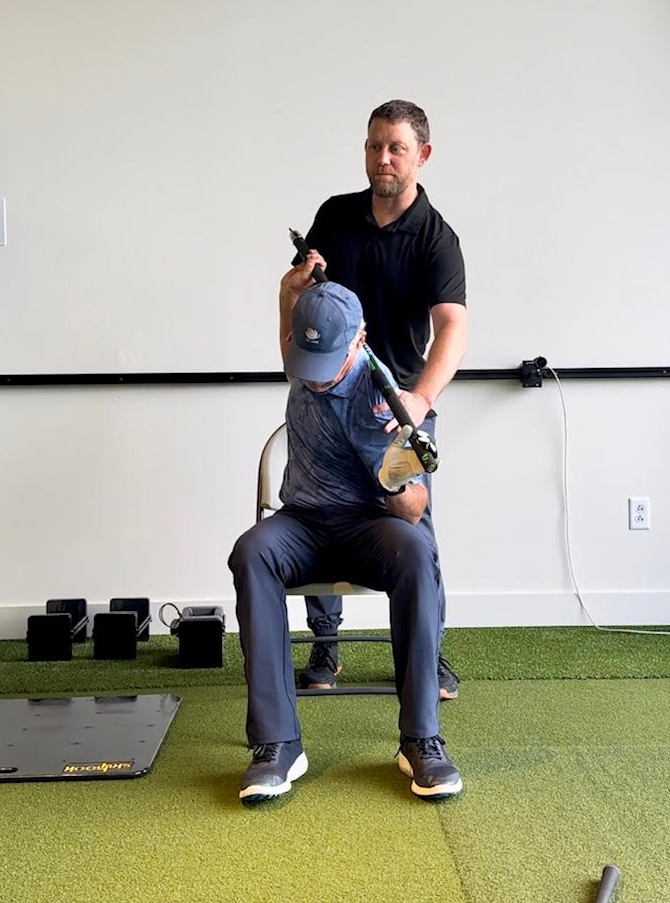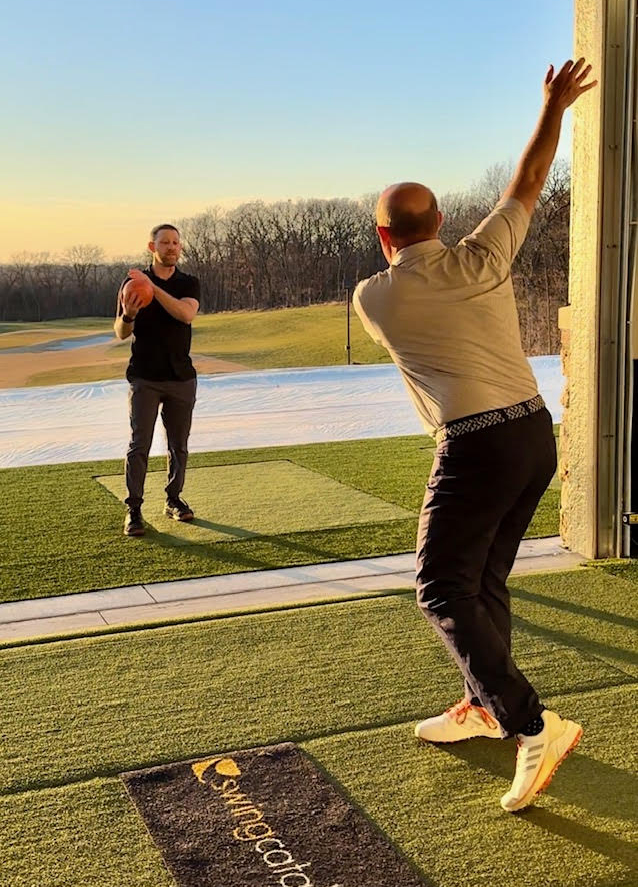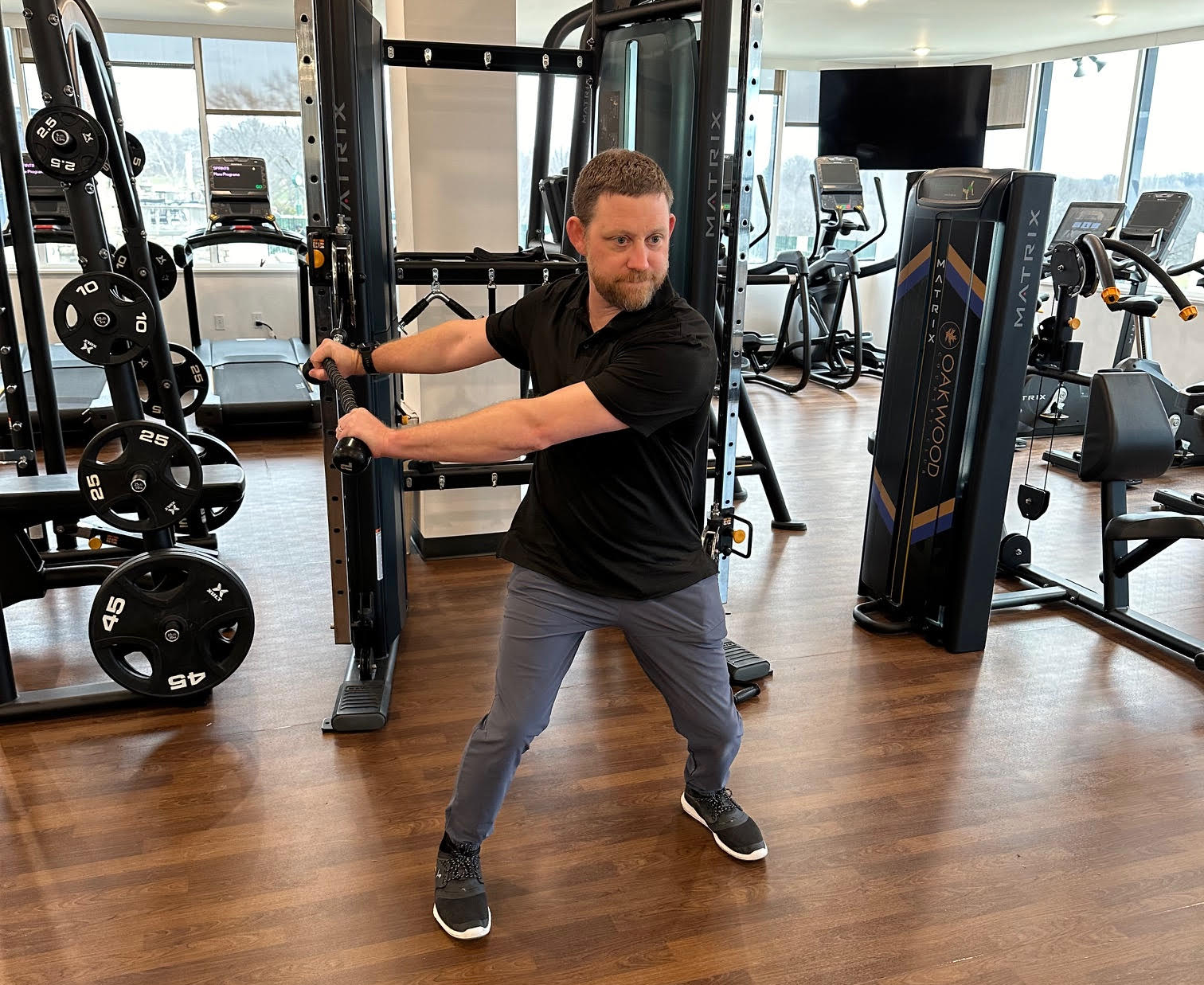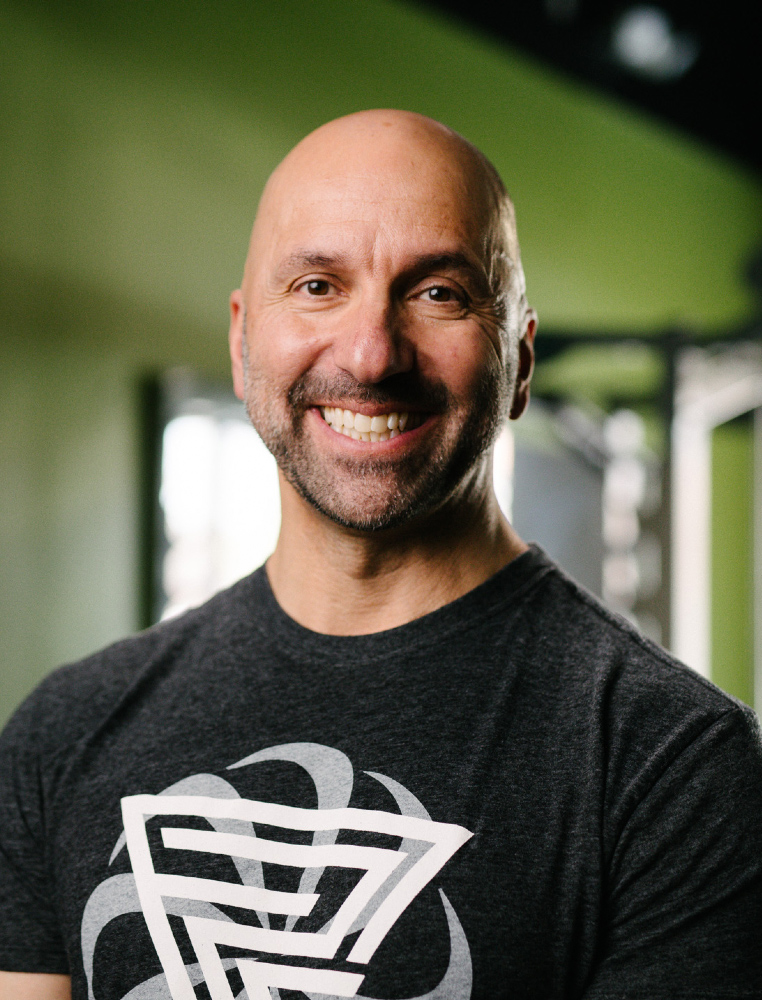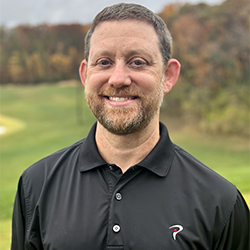
Matt Stensrud is a Doctor of Physical Therapy, the Owner of Back to Golf Physical Therapy, the Head Clinical Specialist at Kansas City Strength & Conditioning and a Golf Fitness and Performance Coach at Oakwood Country Club in Kansas City, Missouri.
I’ve been the owner of Back to Golf Physical Therapy since 2021 and contract out of Kansas City Strength & Conditioning as their head clinical specialist, working with baseball players from Little League to MLB and softball players from youth play up to the professional level. I’m the first person every new athlete sees to perform the initial full-body assessment that determines the injury risk and often dictates the next vital steps to take with that individual. As a physical therapist, I am an expert on what a person’s body is doing well and what it isn’t doing well. We have extensive knowledge of the mechanics of the body and how to work across populations – people who are injured, not injured, etc.
I also assess and treat members at Oakwood Country Club, collaborating with PGA of America Director of Instruction Maureen Farrell to help golfers play better, longer and with less pain. As a United States Golf Teachers Federation certified professional, I can speak to the golf side as well, but instead, leave the golf to Coach Mo at Oakwood when working with her members.
I have recently started an online golf coaching business called Back to Golf Method (www.backtogolfmethod.com) helping golfers with back pain. With a small client base to start, I do have students in the U.S. and Europe and look forward to expanding the business. I want to reach more people worldwide to help them get back to golf.
I have a three-step system that I implement in my training and coaching program with golfers that employs all aspects of my training:
- Stack the Core (PT training) – get the body in the right alignment so the golfer is free to rotate.
- Build Support (TPI/Strength and conditioning training) – this includes support for the back by making the golfer’s legs, core and upper body stronger. We take what we learned in the assessment phase, getting them out of pain and keeping them out of pain by working on a new pattern of movement.
- Swing Freely (USGTF training) – Just because a body moves well doesn’t mean the golfer has changed his or her habits within the skill or activity. My job at Oakwood is to get members to be able to make the movements Coach Mo wants them to make when they swing. Maureen, an award-winning golf instructor, teaches them the movements and positions that improve the golf swing for better results on the golf course. With my online business, that role is mine.
Whether it’s working with athletes locally or engaging golfers online, I want to help people maintain a healthy lifestyle and recover from the injuries that are often inevitable. Although I have training in the golf swing, etc., I’m more on the body side, the physical over the technical. I’m less of an instructor and more of a body helper, ultimately contributing greatly to the physical advancement of the golfer. And with the scope of fitness that has bled into traditional golf instruction, I believe a holistic approach like mine is an asset to those clients I serve. After all, golf instructors often can’t get their students into certain positions within the golf swing because the individual’s body is physically unable to do so. And many physical therapists don’t have the expertise to help a client develop a reliable golf swing – I believe my training and expertise lend themselves to both approaches and make me a “bridge” person who can connect the dots between the physical and the technical.